
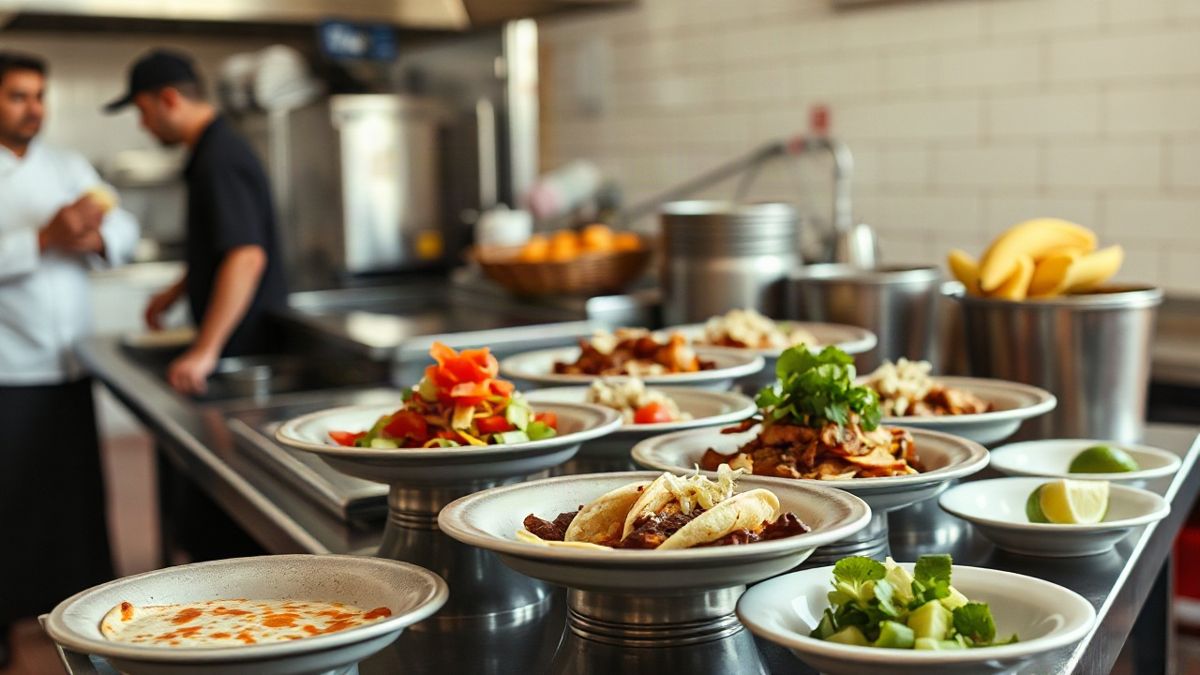
Running a bar, restaurant, taqueria, or cervecería in Stockton means managing a unique combination of risks that standard business insurance programs are not built for out of the box. The slip-and-fall in the parking lot is just the beginning. Add alcohol service, a commercial kitchen operating at capacity on a Friday night, a walk-in cooler full of product, part-time staff turning over seasonally, and the exposure profile of a Stockton hospitality business looks very different from a contractor or a retail shop. Getting the insurance program right means understanding each coverage layer and the specific gaps that can leave a restaurateur holding the bill.
According to the California Department of Alcoholic Beverage Control (ABC), the state regulates more than 80,000 active liquor licenses — the most of any state in the country. Every bar, restaurant, and cervecería among those licensees faces Dram Shop liability exposure that general liability alone does not cover. Here is what a complete hospitality insurance program actually includes, what it costs, and what your broker should be doing when you need them most.
The core coverages every Stockton bar and restaurant needs
General liability — your starting point, not your finish line
General liability is the foundation of any commercial insurance program, but for food and beverage businesses it is a starting point, not a complete solution. A standard $1 million per occurrence / $2 million aggregate GL policy covers third-party bodily injury and property damage arising from your operations — a customer slip-and-fall on a wet floor, a broken glass that cuts someone, a grease fire that spreads to an adjacent tenant’s property. Property managers, commercial landlords, and event venues require a GL certificate before allowing any food service business to operate or stage an event on their property.
What GL does not cover is equally important: liquor-related liability, employee injuries, damage to your own building and equipment, and most employment-related claims each require separate coverage. Insurance City’s parent operation serves 4,500+ active customers across three California offices and wrote 2,080 new policies in 2025 — our agents work through the coverage interaction for hospitality clients regularly, because a single-policy approach consistently leaves the most costly exposures uncovered.
Liquor liability (Dram Shop coverage) — non-negotiable for any ABC licensee
This is the coverage most Stockton bar and restaurant owners do not have until something goes wrong. Under California Business and Professions Code §25602.1, a licensee who sells or furnishes alcohol to an obviously intoxicated person — and that person subsequently causes injury to a third party — can be held civilly liable for those damages. Standard GL policies almost universally exclude liquor-related liability. Liquor liability (also called Dram Shop coverage) is a separate policy or endorsement that specifically covers these claims.
If your establishment holds an ABC license and serves alcohol, liquor liability is not optional — it is the exposure that most directly threatens the long-term survival of your business. A single Dram Shop claim involving a serious accident can produce damages far beyond typical GL limits. Many commercial landlords and event venues now require proof of liquor liability as a condition of leasing. Cervecerías selling pints across the bar, restaurants with a beer-and-wine program, and full-bar operations all face the same statutory exposure under §25602.1.
Workers’ compensation — mandatory from your first hire
California Labor Code §3700 makes workers’ compensation mandatory from the moment you hire your first employee — no minimum hour threshold, no exception for part-time kitchen staff, no grace period for new operators. Food service is one of the highest-injury occupations in California: kitchen burns and cuts, slip-and-falls on wet tile and grease-covered floors, back injuries from lifting kegs and supply deliveries, and heat-related illness from working long shifts in hot kitchens. The California Division of Occupational Safety and Health (Cal/OSHA) identifies restaurants among the industries with the highest rates of reportable injuries per worker.
Workers’ comp covers your employees’ medical costs and lost wages when they are hurt on the job, and protects you from personal liability for those costs. The California Labor Commissioner can issue an immediate stop-work order against uninsured employers — shutting down a restaurant mid-service is a financial and reputational event far more damaging than the annual workers’ comp premium.
Commercial property — the building, equipment, and inventory you cannot afford to lose
A restaurant or bar’s physical assets are substantial: commercial ranges, fryers, refrigeration units, bar equipment, POS systems, furniture, signage, and the tenant improvements you invested in when you built out the space. Commercial property insurance covers your owned or leased building contents against fire, theft, vandalism, and certain weather events. For leased spaces, your policy covers your personal property and improvements; for owned buildings, it covers the structure itself.
Critical add-on: a food spoilage endorsement covers the cost of discarded inventory if your commercial refrigeration fails — a walk-in cooler failure on a Thursday afternoon can mean thousands of dollars in wasted product before the weekend rush. Equipment breakdown coverage extends protection to the mechanical failure of your commercial kitchen equipment, which standard property policies typically exclude. Ask your broker whether both endorsements are included or need to be added.
Business interruption (income replacement)
If a covered event — a kitchen fire, a burst pipe, a health department closure following a contamination finding — forces your restaurant to close temporarily, business interruption coverage replaces the income you would have earned during the closure. It can also cover continuing fixed expenses like rent and payroll for key employees during the shutdown period. For a Stockton restaurant operating near capacity on weekends, even a week of forced closure represents significant revenue loss; without BI coverage, that loss comes entirely out of the owner’s pocket.
ABC licensing and what it means for your insurance program
The California Department of Alcoholic Beverage Control (ABC) issues and regulates all liquor licenses in California. Your ABC license is required before you can legally sell, serve, or furnish alcohol — and maintaining an active, compliant license is a condition of your liquor liability insurance. A license suspension or ABC compliance action can trigger coverage issues with your insurer if the policy is tied to active licensure status. Keep your ABC license current, respond promptly to any ABC compliance correspondence, and notify your broker immediately if your license status changes. Your broker should understand the ABC licensing environment for your license type (Type 41 beer-and-wine, Type 47 full-service restaurant, Type 48 bar, Type 23 small beer manufacturer for cervecerías) and structure coverage accordingly.
What does bar and restaurant insurance cost in Stockton?
Hospitality is one of the more complex commercial insurance classes, and premiums vary significantly based on alcohol sales as a percentage of total revenue, seating capacity, hours of operation, kitchen exposure (full cooking vs. beer-and-snacks), prior claims history, and lease requirements. As working ranges for Stockton food and beverage businesses:
- General liability: $900–$3,000 per year for restaurant and bar operations with $1M/$2M limits; higher for full-bar operations with late hours or high-volume alcohol sales
- Liquor liability: $600–$2,500 per year depending on alcohol-to-food revenue ratio, hours, and ABC license type; full bars with late hours pay more than beer-and-wine restaurants
- Workers’ compensation: Typically $4–$9 per $100 of payroll for food service class codes; exact rate varies by job duties, kitchen vs. front-of-house split, and your California experience modification factor
- Commercial property: $1,200–$4,000 per year depending on the value of your buildout, equipment, and inventory; leased spaces with modest improvements pay less than fully-equipped owned restaurant buildings
- Business interruption: Typically bundled with commercial property at a modest add-on premium; standalone BI limits of 12 months of income replacement are standard for restaurant operations
These are working ranges, not quotes. Your actual premiums depend on your revenue mix, staff count, location, ABC license type, and the commercial carriers our agents access for your account.
Why an independent local agency beats an 800 number for Stockton restaurants and bars
A national call center has never explained to a Stockton cervecería owner that their GL policy’s liquor exclusion leaves them with no coverage if a patron drives away intoxicated, or walked through why a Type 48 bar needs different liquor liability limits than a Type 41 beer-and-wine taqueria. The hospitality industry is not a single risk category — a full-bar nightclub and a family taqueria with a six-pack of Modelo in the cooler face completely different exposure profiles, even if they are both “restaurants.”
The right insurance program for a Stockton bar or restaurant means having a broker who understands your ABC license type, your kitchen exposure, your alcohol revenue ratio, and your lease requirements — and who can issue a COI the same day a landlord or event promoter calls, with no broker fees on standard policies. We work with our commercial carriers to structure coverage around your specific operation, not a generic hospitality template.
We are located right here in Stockton at 956 W. Robinhood Drive — call (209) 670-1556 to speak with an agent about your bar or restaurant coverage today.
Frequently asked questions
Does California require liquor liability insurance for bars and restaurants?
California law does not universally mandate that every ABC licensee carry liquor liability insurance, but the Dram Shop liability created by Business and Professions Code §25602.1 is serious and real. A licensee who serves an obviously intoxicated person who then injures a third party can be held civilly liable for those damages. Standard GL policies typically exclude liquor-related liability; liquor liability is a separate coverage specifically designed for this exposure. Any establishment serving alcohol — from a full bar to a taqueria with beer service — faces this risk every day. Many commercial landlords and event venues now require proof of liquor liability coverage as a lease condition.
Do I need workers’ compensation for part-time kitchen or bar staff?
Yes, from day one. California Labor Code §3700 makes workers’ compensation mandatory the moment you hire your first employee — no minimum hour threshold and no exception for part-time or seasonal workers. Food service carries significant physical injury exposure: burns, cuts, slips on wet floors, back injuries from lifting, and heat-related illness in commercial kitchens. Workers’ comp covers your employees’ medical costs and lost wages if they are hurt on the job. An uninsured employer faces a stop-work order from the California Labor Commissioner and personal liability for the injured worker’s costs.
What does a food contamination claim look like — does my policy cover it?
A food contamination claim typically arises when a customer alleges illness from food or beverages served at your establishment. Standard GL policies cover third-party bodily injury claims including foodborne illness, but the coverage interaction with product liability sublimits, spoilage endorsements, and business interruption varies by policy. If a health department closure forces a temporary shutdown, business interruption coverage addresses lost income during that period. Ask your broker specifically about the interaction between your GL, product liability, food spoilage, and BI coverages — a gap in any one of them leaves real exposure on a claim that can close your doors while it resolves.
Can I get a certificate of insurance the same day if a landlord, event venue, or permit office requires one?
Yes, in most cases. Once your commercial policy is bound, your broker can issue a certificate of insurance the same business day and add a specific entity as an additional insured if required. For Stockton restaurants expanding into catering, pop-up events, or off-premise service, the ability to produce a COI quickly is often the difference between landing the contract and losing it. Insurance City’s parent operation serves 4,500+ active customers across three California offices and wrote 2,080 new policies in 2025; our agents turn around commercial certificates the same day for active clients.
Related reading: Restaurant and Taqueria Insurance in Modesto, CA — Pressure Washing Business Insurance in Stockton, CA
Insurance City Agency — 956 W. Robinhood Drive, Stockton, CA 95207 — (209) 670-1556. Serving Stockton bars, restaurants, and cervecerías from our Stockton office — most commercial policies are quoted and bound without an office visit. CA License #6003045. Reviewed by Santo Militello, California-licensed agent and owner (CA Lic. #1737723). Our licensed team brings more than 70 years of combined insurance experience.
More guides from Insurance City
- Mobile Tire Service Truck Insurance in Stockton, CA — Commercial Auto for Road Service Fleets
- HVAC Contractor Insurance in Modesto, CA: What a C-20 Contractor Needs and What It Costs
- Landlord on the California FAIR Plan? You May Qualify for One Admitted DP-3
- Roofing Contractor Insurance in Fresno, CA: What a C-39 Roofer Actually Needs and What It Costs
- See all articles →
Ready for a quote? Call, walk in, or send the form
Call (209) 670-1556 Request a Quote
956 W Robinhood Dr, Stockton · Mon–Fri 10am–6pm · Walk-ins welcome · Se habla español · ITIN accepted. Insurance City Agency, LLC · CA License #6003045.