

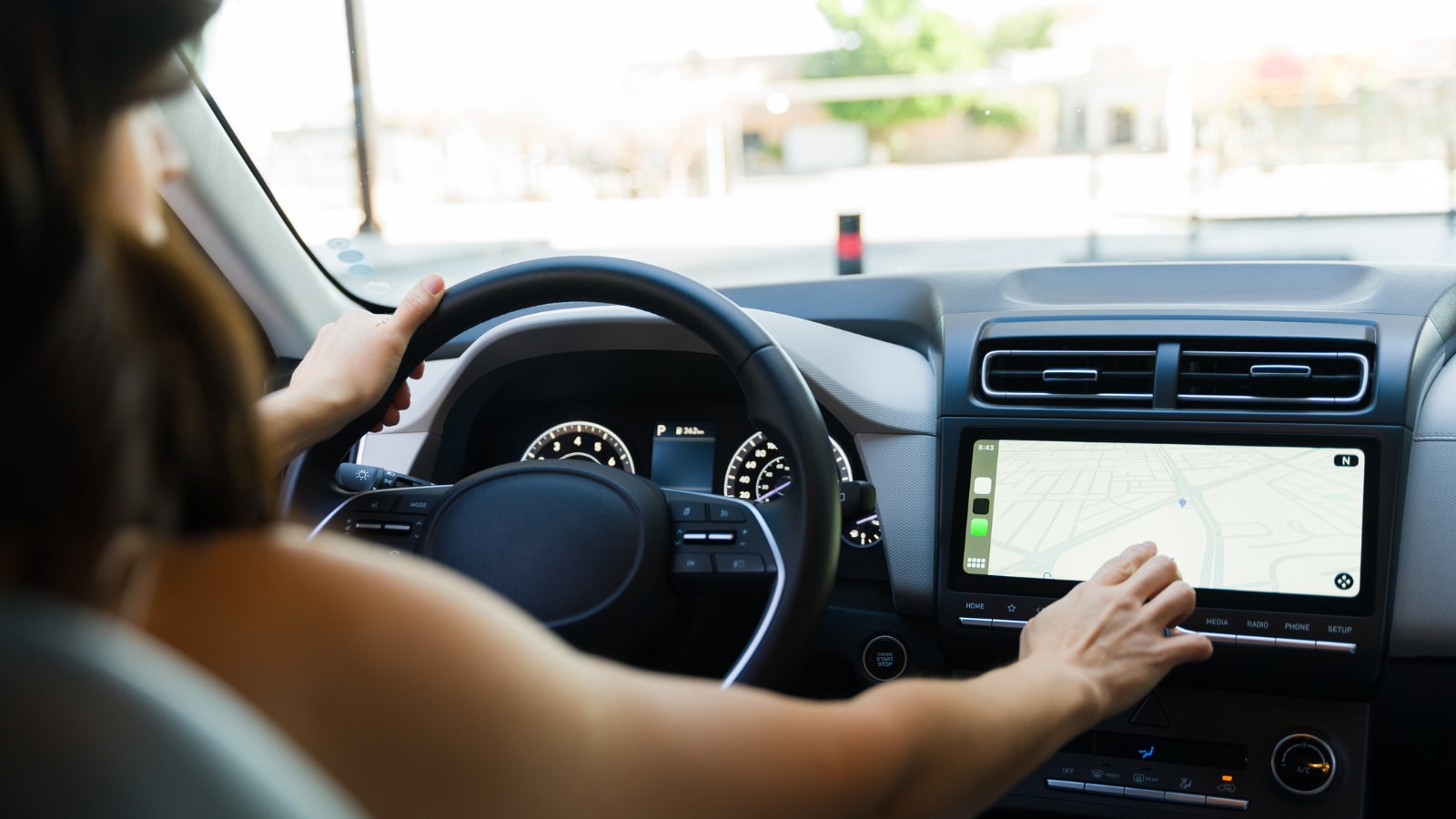
Telematics is technology that tracks driving behavior via a mobile app, a plug-in device, or a built-in vehicle system. Insurance companies may use that data to better understand how a person drives in real-life conditions. Instead of solely factoring age, vehicle type, ZIP code, and claims history, some insurers also evaluate driving habits. That can create savings opportunities for some drivers, but it can also raise concerns about confidentiality and how a program affects pricing over time.
The way driving data is protected depends on the insurer and the telematics program. Many companies say they use security measures to protect the data they collect, but the details can vary. Drivers should review the program’s privacy policy to see what is collected, how long it is kept, and how it is stored.
Access to that data is usually limited to the insurance company and service providers that help run the program, but it may also be shared when required by law or allowed under the policy terms. That is why it is worth reading the consent and privacy language before enrolling.
1. Safe Driving May Lower Premiums
One of the biggest selling points of telematics is the opportunity to qualify for lower car insurance premiums. Many programs reward habits such as smooth braking, gradual acceleration, steady speeds, and consistent vehicle operation patterns. A driver who avoids sudden stops and shows no risky behavior may score better in the program.
Certain insurers offer an enrollment discount just for signing up, while others base the discount on actual driving data collected over several weeks or months. The exact savings vary by carrier, but the general idea is simple. Safer driving behavior may lead to lower insurance costs.
2. Driving Habits Can Also Raise Costs
Telematics is not always a one-way path to discounts. Some insurers may use driving data in ways that affect future pricing if the data shows repeated high-risk patterns. Hard braking, rapid acceleration, speeding, and distracted driving signals may indicate a higher risk of a claim.
This matters because a telematics program may influence more than just a one-time discount. In some cases, driving data can affect renewal pricing or continued eligibility for a usage-based insurance program. Not every insurer handles this the same way, so drivers should read the terms carefully before enrolling.
3. Mileage and Time of Day Matter
Mileage can be an important factor in telematics pricing. A person who drives more often usually spends more time on the road and is more exposed to accidents. High annual mileage may increase perceived risk in some programs, while lower mileage may help reduce it.
Time of day can also affect how driving is scored. Frequent late-night driving may be perceived as riskier due to reduced visibility, fatigue, and a greater number of impaired drivers on the road. Rush-hour driving can matter, too, since heavy traffic increases the risk of a crash. A driver who takes short daytime trips may be rated differently from someone with a long commute or regular overnight driving.
4. Participation Can Change the Customer Experience
Telematics programs often come with tools that change how drivers interact with their insurance. Many offer trip summaries, driving scores, coaching tips, and mobile alerts. The feedback can help drivers improve their habits and better understand the driving behavior an insurer is measuring.
There are tradeoffs, though. Drivers should ask how data is collected, who can access it, how long it is stored, and whether participation is optional. It is also smart to ask whether the program can increase rates or only offer discounts.
Contact Your Agent About Telematics
Comparing personal and auto insurance helps you decide if telematics fits your needs. Our local California agents at Insurance City review local coverage, compare car insurance, and find solutions within your budget. Give us a call at (209) 670-1556.
Ready for a quote? Call, walk in, or send the form
Call (209) 670-1556 Request a Quote
956 W Robinhood Dr, Stockton · Mon–Fri 10am–6pm · Walk-ins welcome · Se habla español · ITIN accepted. Insurance City Agency, LLC · CA License #6003045. Reviewed by Santo Militello, California-licensed agent and owner (CA Lic. #1737723). Our licensed team brings more than 70 years of combined insurance experience.